

Situation
Across England, demand for autism and ADHD assessments has risen dramatically. In some areas, waiting lists have become so severe that families are being told they could wait more than a decade for an assessment. Elsewhere, services have stopped accepting referrals altogether because demand has outstripped capacity. Simply increasing assessment capacity does not solve the problem. The challenge is bigger than waiting lists.
Children, young people and families often spend years navigating a fragmented system, unsure whether they are suitable for assessment, where to access support, or what will happen next. At the same time, specialist assessment services are under increasing pressure, with many referrals entering pathways without sufficient information to determine whether an assessment is clinically appropriate.
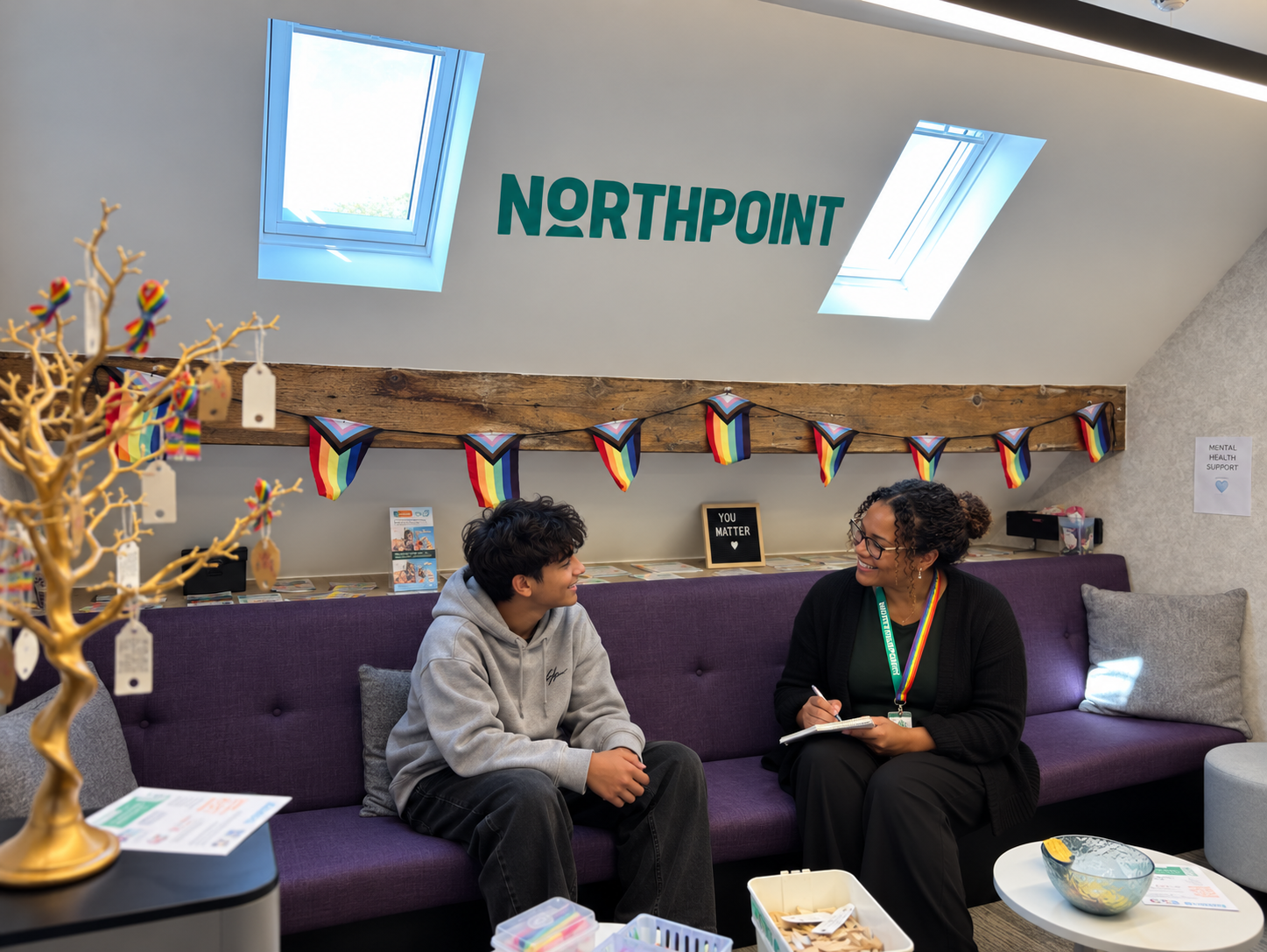
Northpoint, one of Yorkshire's largest charitable providers of mental health services, worked to redesign the request for Autism and ADHD assessment pathway with South West Yorkshire Partnership NHS Foundation Trust (SWYPFT), working through the Calderdale Cares Partnership .
As Helen McGlinchey, Director of CYP Services & Clinical Lead for Northpoint explains: "The goal was never simply to get people onto a waiting list faster. The goal was to get people the right support faster. For some people that will be an assessment. For others it may be community support, mental health support, school support or peer networks. What matters is that people aren't left waiting for years without answers."
Challenge
Historically, the referral pathway relied heavily on manual processes. Referrals arrived via email and were managed through Outlook inboxes. Staff manually transferred information into clinical systems, reviewed documents, chased missing information and coordinated communication between families, schools, clinicians and assessment providers.
The pathway involved multiple organisations, including SWYPFT, Northpoint, schools, GPs, Calderdale Cares Partnership and approved Right to Choose assessment providers.
Each referral required input from parents, schools and clinicians before a clinical suitability decision could be made. Analysis showed that each case required approximately 110 minutes of professional handling time before a young person even reached an assessment provider. Administrative staff alone spent almost an hour processing every referral.
Partners recognised that simply funding more assessments would increase costs without addressing the underlying problem. The system needed a way to identify who was most likely to benefit from specialist assessment, while ensuring everyone received appropriate support much earlier in their journey.
Solution
Northpoint partnered with Aire Innovate to create a completely redesigned route to requesting neurodevelopmental assessment, digitising and streamlining systems using Aire Innovate's flexible digital health platform.
Rather than digitising existing paperwork, the organisations reimagined the entire journey.
The new pathway enables children, young people and families to self-refer directly, removing the need for unnecessary GP appointments while ensuring robust clinical oversight. Parents receive secure personalised questionnaires through tokenised digital links, while schools contribute structured observations to ensure evidence is gathered across multiple settings in line with clinical guidance. Automated reminders significantly improve response rates and reduce administrative chasing.
Information is automatically collected, organised and presented to clinicians through a purpose-built clinical suitability review process. Aire Innovate also integrated the platform directly with Northpoint's patient management system, eliminating manual data entry and ensuring information flows securely between systems.
Crucially, the pathway turns the traditional neurodevelopmental model on its head. Historically, support often followed diagnosis. In Calderdale, support begins at referral.
Children and young people who are not clinically suitable for assessment are no longer left waiting years for an answer. Instead, they are connected immediately to appropriate support, including SilverCloud digital services, school-based interventions, mental health services, family support services, local community organisations and peer support groups such as Unique Ways.
Results and Impact
The results have been transformational:
* Reduce inappropriate referrals reduced by 86%
* Reduce waiting times substantially, from 7-12 months to 2-4 weeks for access to appropriate support.
* Time to decision for ND assessment reducing from 151 days to 20 days.
* Children and Young People can now access evidence-based interventions, including autism and ADHD support while awaiting
assessment.
* Families report improved understanding of needs and greater confidence in managing them during this period.
Referral processing time has fallen from 110 minutes to just 45 minutes per case, a reduction of 58%. Thousands of GP appointments have been avoided by enabling direct access to the pathway, while analysis suggests more than 900 inappropriate referrals to specialist assessment providers have been prevented, protecting scarce clinical capacity and reducing costs across the system.
The pathway now reaches clinical suitability decisions within weeks rather than years. Families are no longer waiting months simply to find out whether they are suitable for assessment or what support is available to them.
The most striking evidence of the model's effectiveness came in Leeds. Applying the same approach, Northpoint worked through a neurodevelopmental waiting list that had accumulated over more than three years. More than 1,000 referrals were reviewed and processed within six months, helping families receive answers, support and onward direction far sooner than would previously have been possible.
For frontline staff, the difference has been equally dramatic. Administrative burden has reduced significantly, clinicians spend less time gathering information and more time making decisions, and families experience a pathway that feels joined up rather than fragmented.
As Duncan Pearce, CEO, Northpoint, reflects "The national conversation is often about how many assessments we need. What we've demonstrated is that the bigger opportunity lies in redesigning the pathway around children, young people and families. By combining clinical expertise, community support and digital innovation, we've created a model that improves access, protects specialist capacity and helps people receive support sooner. For systems facing unprecedented demand, that's a fundamentally different way of thinking about neurodevelopmental services."
What Aire Innovate delivered
Using the AireInnovate platform, Northpoint has delivered:
* A digital front door for autism and ADHD referrals
* Secure self-referral capability
* Automated questionnaire distribution and reminders
* School, parent and clinician information gathering workflows
* Clinical suitability review tools
* Integration with the IAPTUS patient management system
* Automated communications and provider choice workflows
* Referral triage and case management
* Real-time reporting and operational oversight
The result is a scalable model that is now attracting interest from NHS organisations seeking new ways to tackle rising neurodevelopmental demand, reduce waiting lists and ensure children and young people receive the right support sooner.
